
Technology & Data
Why PTI Labels Do Not Make You FSMA 204 Compliant
A Produce Traceability Initiative label carries most of the right data. What it does not do is create the records behind it, and that distinction decides whether a traceback succeeds.
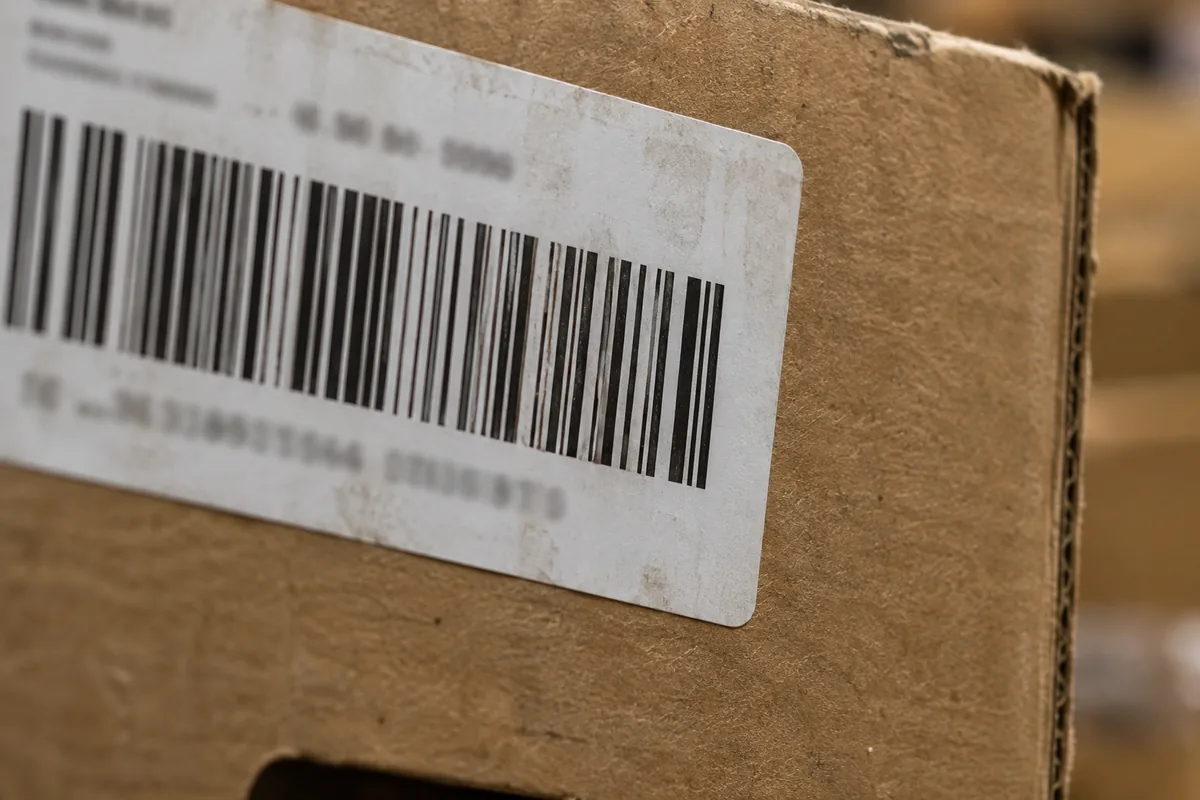
Ask a produce packer whether they are ready for the Food Traceability Rule and a common answer is that they have been PTI-labelling for years. It is a reasonable thing to say. The Produce Traceability Initiative has been putting case-level lot identification into the supply chain since long before this rule existed, and a PTI case label carries a global trade item number, a lot code and a pack date in a GS1-128 barcode.
That is genuinely useful, and it is a head start. It is also a different thing from what the rule asks for, and the difference is worth being precise about.
A label is a carrier, not a record
The rule does not require any particular label. It requires that specific data be recorded at specific events, kept for two years, and produced as a sortable file on request. A label is one way of moving a lot code from one party to another. It is not the record, and printing one does not create the record.
The practical test is the one the rule itself applies. Take a case with a PTI label on it and ask what came into the lot printed on that label. The label cannot answer, because it carries an identifier rather than a history. The answer has to come from your records.
Three specific gaps
1. Inbound capture
PTI is oriented outward: it tells your customer what a case is. The rule also asks what you received. If the lot codes on incoming product are not being captured into a system at goods receipt — and in many plants they are on a delivery note that gets filed rather than keyed — a perfect outbound label sits on top of an empty inbound record.
2. The input-to-output link
Where product is transformed, the rule wants the connection between the lots that went in and the lots that came out. A PTI label identifies the output. Nothing in the label scheme records what the output was made from, and nothing requires it to.
This is the gap that matters most, because it is the one a traceback runs into. An investigator working backwards from a finished case needs the input lots, and a label cannot supply them.
3. The retrieval requirement
Even with clean labels and clean records, the rule asks for a sortable electronic file within 24 hours. Labelling programmes are silent on retrieval, because that was never their purpose. The export has to be built separately, and it has to cross receiving, production and despatch.
| Requirement | PTI case labelling | Food Traceability Rule |
|---|---|---|
| Case carries a lot identifier | Yes, by design | Not required as such, but useful |
| Scannable to a GS1 standard | Yes | Not required |
| Receiving records with the supplier lot code | Not covered | Required |
| Input-to-output links at transformation | Not covered | Required |
| Shipping records with lot-level key data | Partly, via the label | Required as a record |
| Two-year retention | Not covered | Required |
| Sortable electronic file in 24 hours | Not covered | Required on request |
What the head start is actually worth
Considerable, once it is put in the right place. A plant already printing PTI labels has three things a plant starting from scratch does not: a lot code format that is already applied consistently, a printing and application process that works at line speed, and people who are used to a case carrying an identifier. Those take months to build and they are already done.
What has to be added is the record layer underneath: capture the inbound lot code, record the input-to-output link, hold it somewhere queryable, and build the export. That work is mostly configuration and process, not capital.
The reverse case is much worse, and it is worth naming because it is where money gets wasted. A plant that invests in labelling hardware before it has resolved where its lot data lives ends up with a fast, accurate way to print identifiers that nothing can trace.
If you already label
Start with the two questions the label cannot answer: what lot codes came in this morning, and which of them are in the case you shipped yesterday. The events that create those records →
Sources. 21 CFR Part 1, Subpart S · FDA: Food Traceability Final Rule. PTI is an industry programme independent of the FDA; consult the initiative’s own documentation for its current specification. Related reading: the written traceability plan.